Participatory monitoring
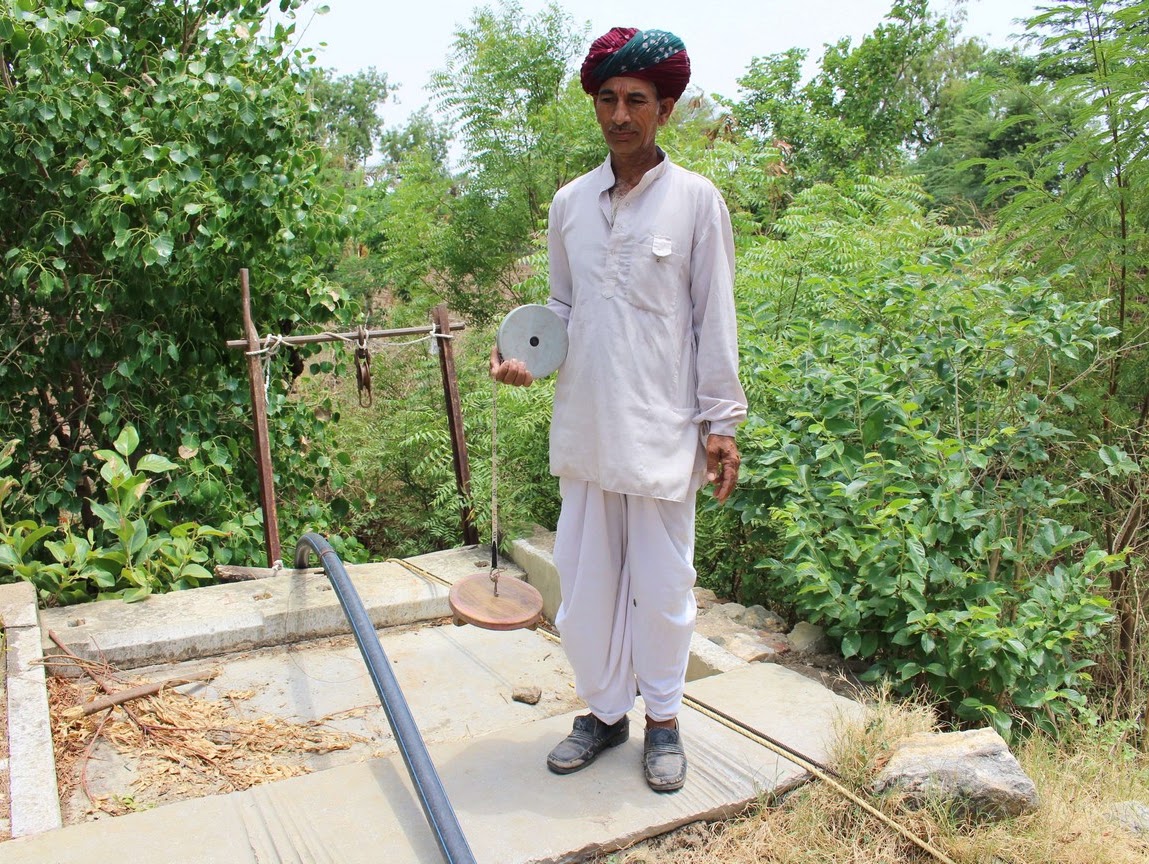
A groundwater-monitoring programme operated and understood by the village itself.
The MARVI approach
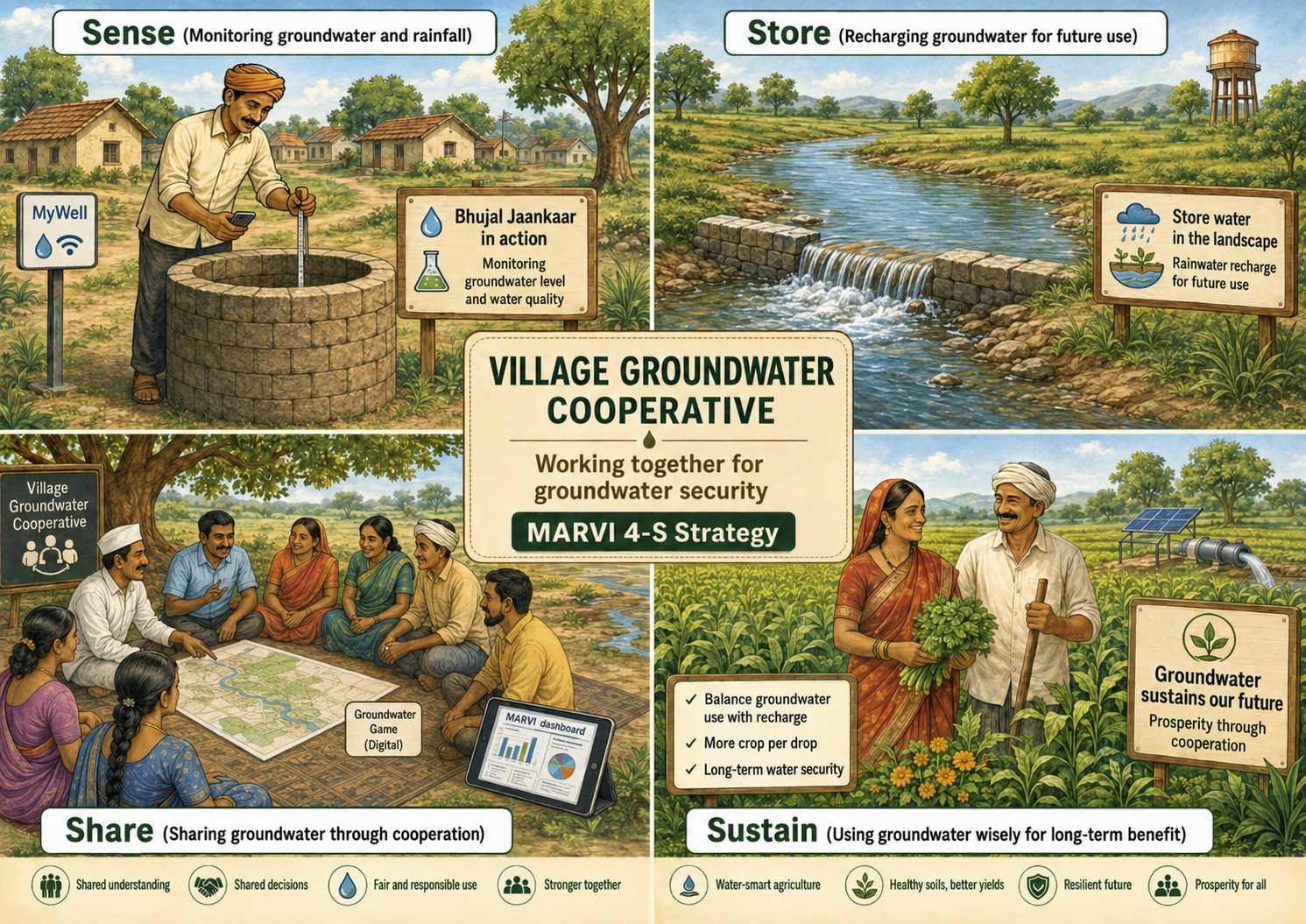
MARVI brings technical knowledge, community experience and practical monitoring together at village level.
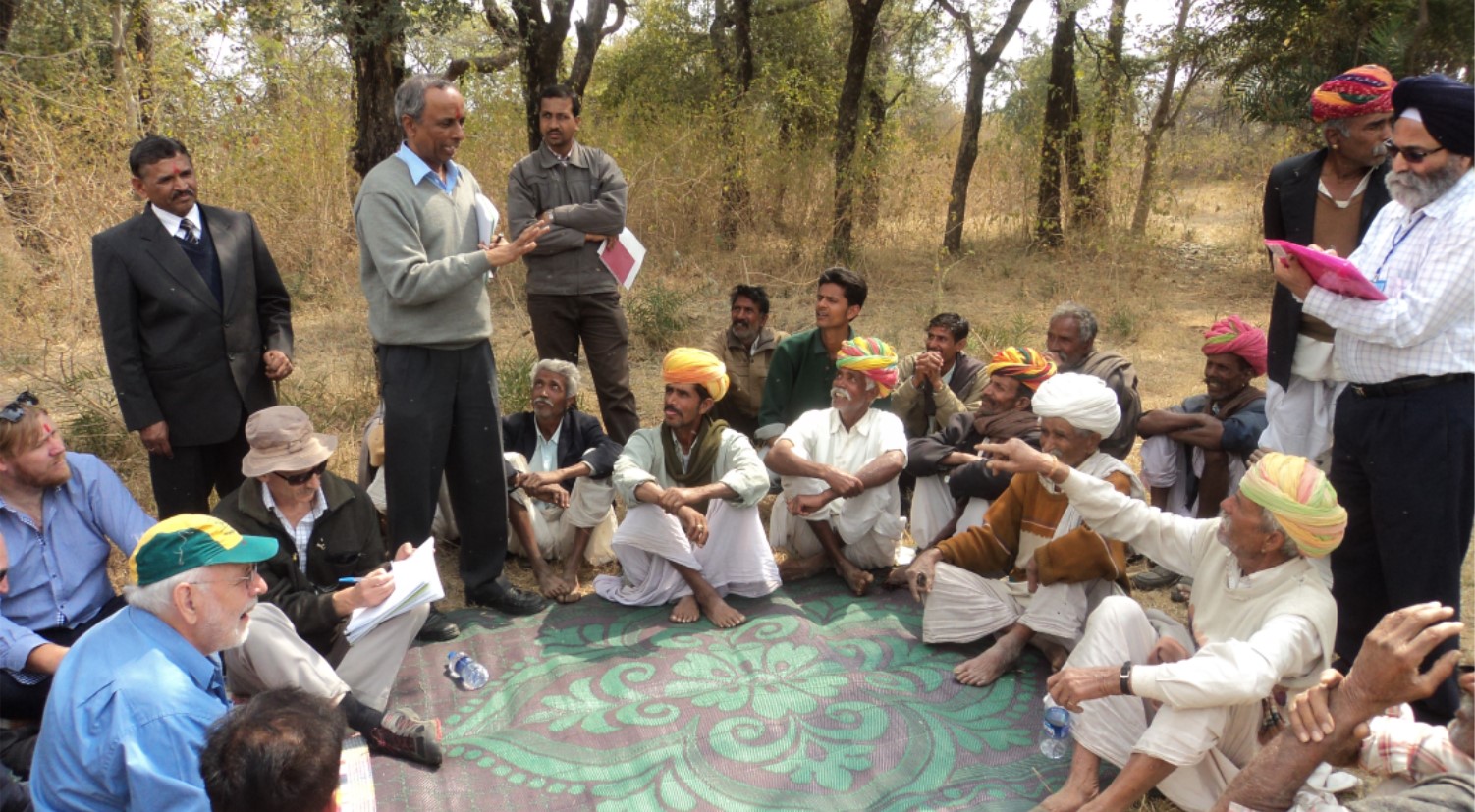
The aim is to improve irrigation-water security and rural livelihoods by making the invisible visible.
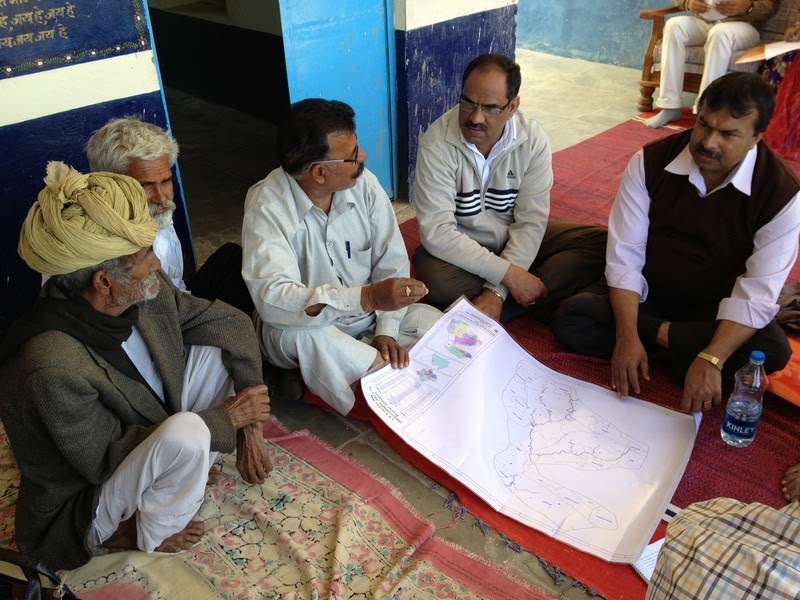
Groundwater is often managed one well at a time, even though every bore draws from a connected aquifer. MARVI creates a shared picture through participatory monitoring, aquifer-recharge assessment and village dialogue.
The project works across hydrology, hydrogeology, agronomy, economics and social science. The result is not a report left on a shelf, but knowledge a community can use.
A groundwater-monitoring programme operated and understood by the village itself.
Assess rainwater-harvesting structures and understand what genuinely reaches the aquifer.
Turn readings into conversations about crops, pumping, sharing and long-term water security.